Published June 22, 2026
International Day of Yoga
By Alexis Cabrera, LMHC, LPCC
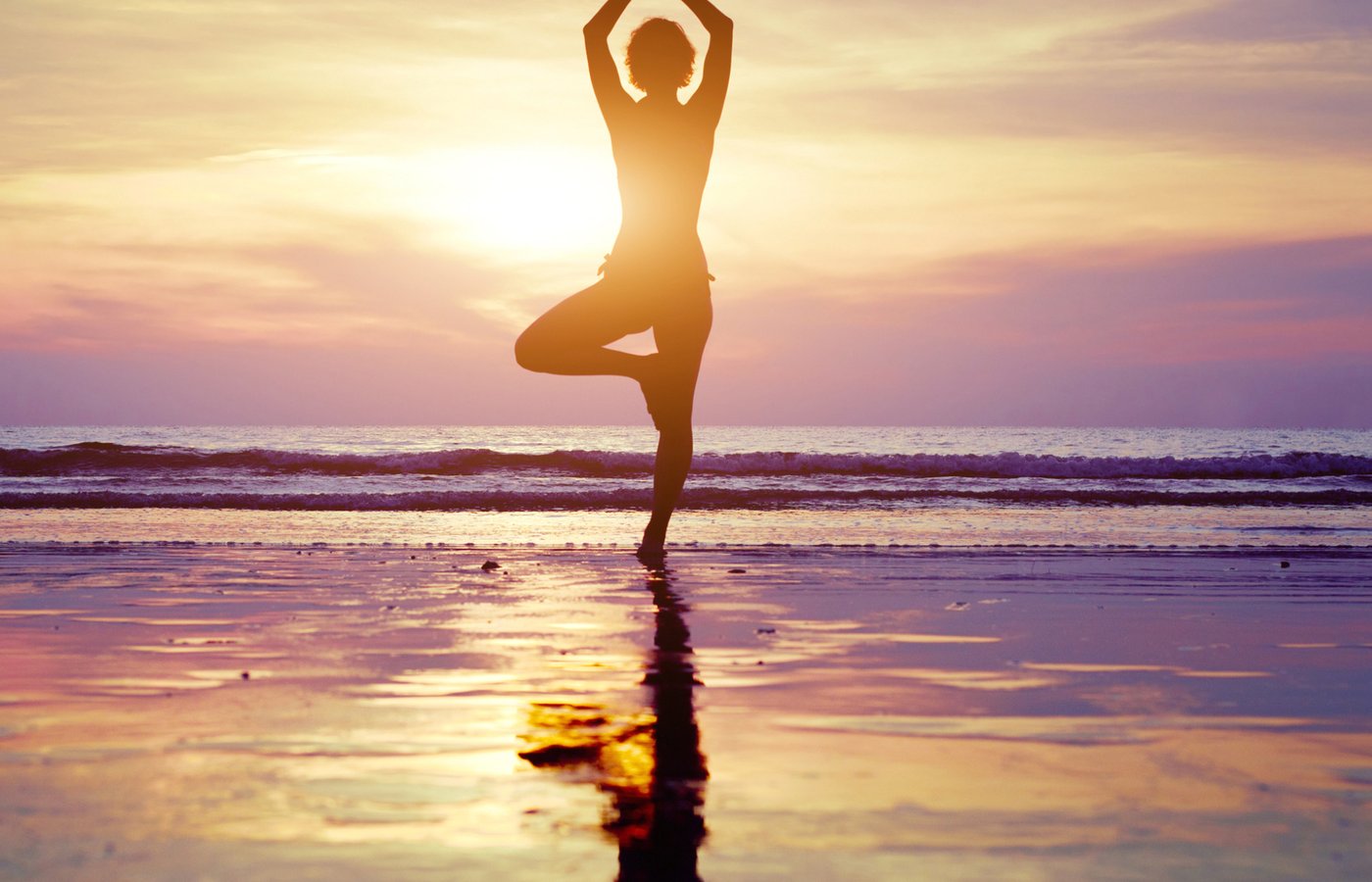
Yoga has been bastardized and commodified like a California Roll in American sushi. Everywhere you go, you have fat-free supermodels hyperflexible, advertising a “peace of mind” through meditation and mimosas, paddleboarding goats, and long-winded speeches about Mercury’s retrograde. The reality of these descriptions, much like the mayonnaise in a California roll, is that none of them are actual yoga.
What yoga actually is
Yoga is the calculated practice of achieving pure consciousness. It correlates with psychotherapy in many ways when dialed down to its essence. The stilling of the mind is the practice of yoga, and in psychotherapy, we examine our thoughts to uphold our present and natural experience without stress or tension.
What yoga techniques are actually psychotherapeutic techniques?
In the licensing examination for the psychoanalytic board of California, one test question is: “When a patient experiences high anxiety, what is a valuable recommendation?” A, B, C, or D: a yoga class. The answer is D. But why?
Yoga links the body to breath. When we become mindful of our breathing, we are able to calm the thoughts and restore our autonomic nervous system to regulation. This is known as “pranayama,” or “breath regulation” in English. The breath is an aspect of our lived experience that can be conscious or unconscious, and in this, Hindus understand it as the bridge to the subconscious. It can be yours as well.
What happens when we’re triggered
When human beings are in distress, breath can become accelerated and shallow. Our triggers in life cause us to respond by tensing. For example, going home to a stressful family may be something you dread. When we think about our stressful situations, we forget to breathe. This is because the sympathetic nervous system goes into “fight or flight” mode — now featuring fawn and forget, my new favorites, where you can either fight your mom, fly away from her, fawn over her so she knows she is the dominant one in the house, or forget everything painful happened through PTSD-amnesia reactions — because the body is trying to protect itself from danger. Most of the patients in therapy enter without any sense that they are triggered and unconsciously not breathing.
What is your breath like right now as you read this? What if you deepened it by breathing slightly longer through your nose, with your mouth closed?
The free anti-anxiety tool
This simple pivot in breathing is what CBT and DBT therapists utilize to assist clients in overcoming triggering scenarios in their daily lives. When the mind visualizes a stressful situation, the brain often cannot discern between danger that’s really happening and one that is being imagined. So when I worry about my mom, my body breathes more shallowly. I tense up.
However, it is only through years of mindfulness and physical awareness that I am able to detect this difference. When I gain that consciousness, I can choose to slow down my breath. This is a pranayama exercise that supports mental, physical, and emotional well-being on a long-term scale. It is an anti-anxiety medication that is free, with no long-term detrimental symptoms. And the wise ancestors of our past have enabled it to you. No mayonnaise required.