Published December 8, 2025
Therapy for First Responders and Veterans: Carrying What You’ve Seen
By Renée Murphy
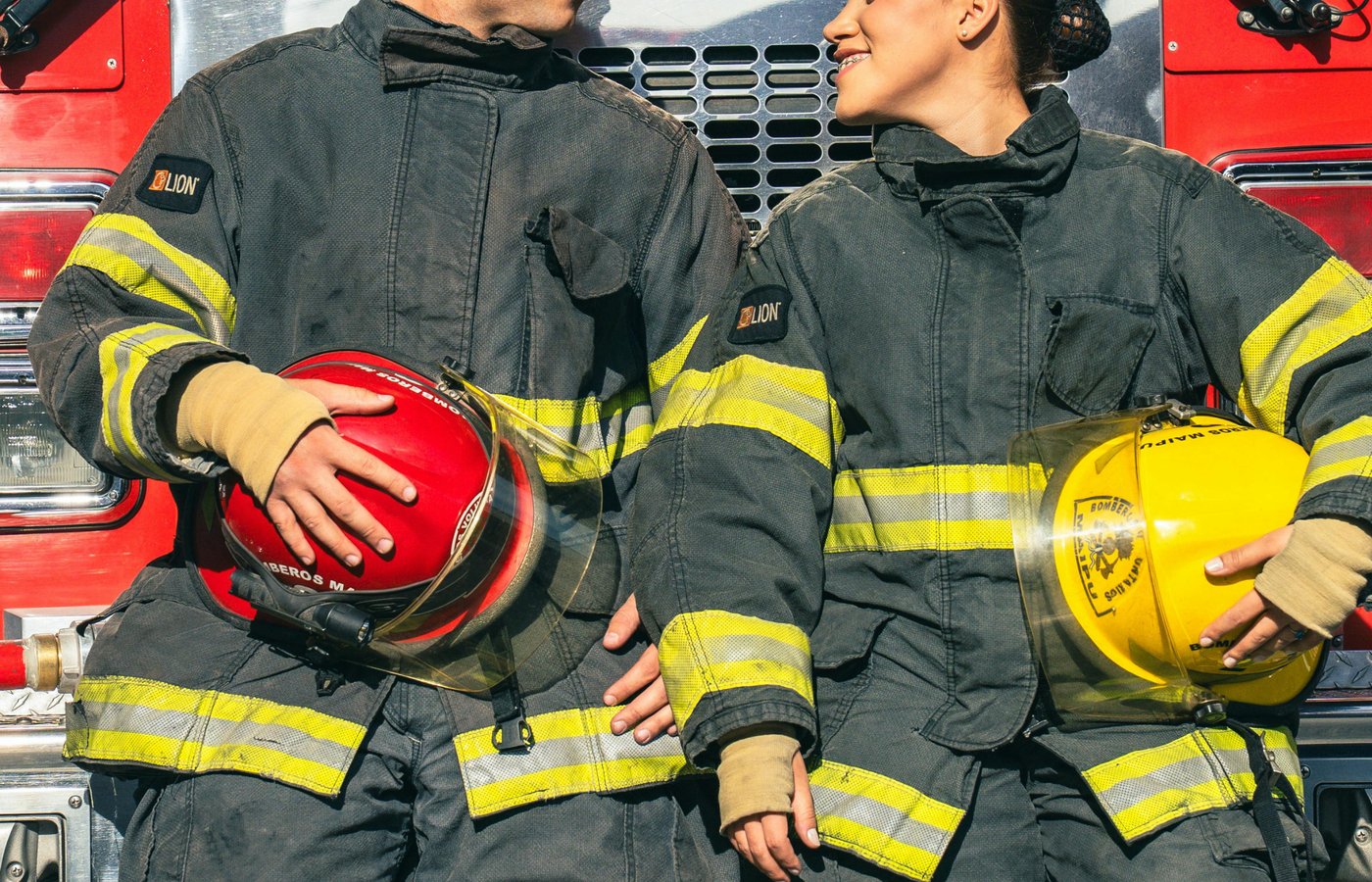
First responders and veterans spend their careers running toward what everyone else runs from. That service leaves a mark — and getting support for it isn’t weakness. It’s the same courage, pointed inward.
Cumulative trauma is different
For many first responders and service members, it isn’t one event — it’s hundreds, absorbed over years. That cumulative exposure can lead to PTSD, complex trauma, moral injury, and the kind of hypervigilance and numbness that follows you home long after the shift ends.
The culture of “suck it up”
First-responder and military culture prizes toughness, which can make asking for help feel like failing the team. But untreated trauma doesn’t stay contained — it seeps into sleep, relationships, and health. Reaching out isn’t breaking down; it’s maintenance for the long haul.
What trauma-informed therapy offers
Effective therapy meets you where you are — no forcing you to relive the worst calls, and no judgment about what helped you survive. Working with the body and nervous system, it helps your system finally recognize that you’re safe now.
I bring lived and clinical experience to this work as an Air Force veteran, and see clients by telehealth across New York.